9 Best La Crosse Weather Stations (October 2026)
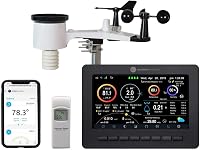
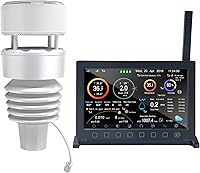
The best La Crosse weather stations include the La Crosse C85845 for daily home checks, the La Crosse V42-PRO Smart Wi-Fi for wind and rain, and the La Crosse 328-69357 Wi-Fi Pro for expandable monitoring.
On this page (15 sections)
- How to choose a La Crosse weather station
- How we chose these La Crosse weather stations
- La Crosse C85845: best for daily home checks
- La Crosse V42-PRO: best for wind and rain
- La Crosse 328-69357 Wi-Fi Pro: best for expandable monitoring
- La Crosse S77925: best for pressure trends
- La Crosse V21-WTH: best for remote wind checks
- La Crosse 308-1414MB: best for damp rooms
- La Crosse 328-1415 Cyclone: best for local weather history
- La Crosse 308-1414W: best for white displays
- La Crosse V23-WTH Wi-Fi Wind: best for wind direction
- How do you set up a La Crosse weather station?
- What care and use habits help readings stay useful?
- What mistakes should you avoid when choosing or installing one?
- Which La Crosse weather station should you choose?
The La Crosse C85845 is the best La Crosse weather station for simple daily home readings, with indoor and outdoor temperature, humidity, forecast icons, dew point, and heat index on a color display. For wind and rain tracking, choose the V42-PRO; for expandable Wi-Fi monitoring, consider the 328-69357 Wi-Fi Pro.
La Crosse makes both simple home displays and connected backyard systems. Choose by the measurements you need first, then decide whether you want to check them only at home or through an app while away.
For a broader look across brands, see our guide to the best weather stations for home use. If display size is your main concern, compare the weather stations with large displays.
Our picks at a glance
-
1

-
2

-
3

How to choose a La Crosse weather station
The right La Crosse weather station depends on the readings you want, the location of the outdoor sensors, and whether Wi-Fi adds value to your routine. Start with the measurements, because a station with a bright screen cannot replace a wind or rain sensor you need.
Which La Crosse weather station fits your needs?
The C85845 suits a household that wants temperature, humidity, forecast icons, and comfort readings on a local display. The V42-PRO and 328-69357 suit yards where wind and rainfall matter, while the S77925 adds pressure history without a Wi-Fi-centered setup.
Write down the 2 or 3 readings you will check most often. A gardener may care more about accumulated rain, someone planning outdoor activities may want wind direction, and a household checking indoor comfort may need temperature and humidity alerts.
Do you need Wi-Fi and remote monitoring?
Wi-Fi is useful when you want to check your home conditions away from the display or receive app notifications. The V42-PRO, 328-69357, V21-WTH, and V23-WTH describe connected features through the La Crosse View app.
A local display is enough if you only check readings when you are home. The C85845, S77925, and 308-1414 models provide useful everyday information without remote monitoring features.
For a closer look at this choice, read weather station display vs app-only monitoring.
Wi-Fi also adds setup steps. You need a stable connection where the display is used.
App-based features depend on maintaining that connection. If you would rather avoid account and network setup, a simpler station can be easier to live with.
What measurements matter in your yard?
Temperature and humidity cover common home checks, but wind and rain sensors matter if you want a local picture of outdoor conditions. Wind readings can help you understand gusts around a patio or garden, while rainfall history can help you decide whether plants need water.
Some models include wind but need a separate add-on for rain. The V21-WTH and V23-WTH include wind readings.
The V42-PRO and 328-69357 include wind and rain measurements. See our guide to outdoor weather stations for wind and rain if those are your main priorities.
Barometric pressure is useful when you want to follow pressure changes alongside a forecast. The S77925 has a 24-hour pressure graph, and the 328-69357 and 328-1415 also show pressure information.
How should you think about range and placement?
A stated wireless range is a maximum, not a guarantee for every yard. Walls, metal surfaces, trees, and the distance between a sensor and the display can affect reception, so plan the sensor location before settling on a model.
Place the display where you can read it and where Wi-Fi can reach it if you choose a connected station. Put outdoor sensors where they can sample the yard rather than the sheltered corner beside a wall, and avoid placing a temperature sensor near a heat source or air vent.
Which power and battery details should you check?
The base display and outdoor sensors may use different power sources. Some displays use an adapter for normal operation and optional batteries as backup, while the separate sensors need their own batteries.
Check what is included before you start setup. Several models require batteries for sensors that are not included.
Keeping the right type on hand prevents a pause after opening the box. The C85845 and S77925 use a 5V adapter with optional 3 AA backup batteries, while the V42-PRO sensor set needs AA batteries.
How we chose these La Crosse weather stations
We compared each model’s measurements, sensor coverage, display options, power details, and Wi-Fi functions against common home needs. The scores reflect how well each set of features fits a reader who wants a useful home weather station.
A higher position favors a clear combination of useful readings and convenient access. It does not mean that one station will report the same conditions as a nearby official weather site, since a backyard sensor reflects its own placement and surroundings.
| Product | Best for | Readings | Display | Power | Our score |
|---|---|---|---|---|---|
| La Crosse C85845 | daily home checks | Temperature, humidity, dew point, heat index | Color display with adjustable brightness | 5V power cord; optional 3 AA backup batteries | 8.3 |
| La Crosse V42-PRO Smart Wi-Fi | wind and rain | Wind, rain, temperature, humidity | 8.0 | ||
| La Crosse 328-69357 Wi-Fi Pro | expandable monitoring | Temperature, humidity, wind, rain, pressure | Color display with adjustable intensity and auto-dimming | 7.4 | |
| La Crosse S77925 | pressure trends | Temperature, humidity, pressure, dew point, heat index | Color display with adjustable brightness | 5V power cord; optional 3 AA backup batteries | 7.3 |
| La Crosse V21-WTH | remote wind checks | Wind, temperature, humidity | 7.3 | ||
| La Crosse 308-1414MB | damp rooms | Temperature and humidity | Full-color LCD with animated icons | AC adapter with optional battery backup | 7.2 |
| La Crosse 328-1415 Cyclone | local weather history | Wind, rainfall, temperature, humidity, pressure | 5V adapter; Cyclone sensor has a solar panel | 7.2 | |
| La Crosse 308-1414W | white displays | Temperature, humidity, heat index, dew point | Color LCD with adjustable backlight | AC adapter included; 3 AAA batteries optional | 7.0 |
| La Crosse V23-WTH Wi-Fi Wind | wind direction | Wind speed, temperature, humidity | 7.0 |
La Crosse C85845: best for daily home checks
La Crosse C85845: Best for daily home checks
- Indoor and outdoor temperature and humidity
- Dew point and heat index
- Custom high and low alerts
- Color forecast icons
A color display brings indoor and outdoor temperature and humidity together with forecast icons, dew point, heat index, and alerts.
Pros
- Temperature and humidity alerts
- Daily high and low records
- Atomic clock with time zone settings
Cons
- No wind or rain readings
- Outdoor sensor batteries are not included
The C85845 is the most direct choice for a household that wants a quick glance at indoor and outdoor conditions. Its display combines forecast icons with temperature, humidity, dew point, and heat index, so you can check more than the current outdoor temperature.
Custom high and low alerts are useful if you care about a temperature or humidity threshold. Daily high and low records add a short view of how conditions changed, while the atomic clock provides time and date information.
The included 5V power cord keeps the backlight on, and optional AA batteries provide backup power. The outdoor sensor takes 2 AA batteries, which are not included.
Buy it if you want a local display with clear home readings and comfort details. Skip it if wind speed, direction, or rainfall are essential, because those readings are not part of this model’s core measurements.
La Crosse V42-PRO: best for wind and rain
La Crosse V42-PRO Smart Wi-Fi: Best for wind and rain
- Wind speed and direction
- Rainfall graphs and history
- Wi-Fi enhanced forecast data
- La Crosse View app alerts
Wind and rain sensors add backyard measurements, while Wi-Fi can bring enhanced forecast data and remote monitoring through the La Crosse View app.
Pros
- Wind direction and compass rose
- Rain graph and historical records
- Custom alerts and notifications
Cons
- Wi-Fi is needed for enhanced data
- Sensor batteries are not included
The V42-PRO suits a homeowner who wants backyard wind and rain readings alongside indoor and outdoor temperature and humidity. Its display covers current and top wind speed, direction, a compass rose, rain graphs, and historical records.
Wi-Fi adds forecast features such as UV index, sunrise and sunset times, thunderstorms, and air quality, with remote monitoring and customizable alerts in the La Crosse View app. The station can still show readings on its display, so the app is an added way to check and receive information.
The included sensor set covers temperature and humidity as well as wind and rain. The stated wireless range is up to 400 ft, though placement and obstructions can affect reception in a particular home.
Choose it if both wind and rain are important and you want connected forecast features. Skip it if you only need a simple temperature display or do not want to configure Wi-Fi and an app.
La Crosse 328-69357 Wi-Fi Pro: best for expandable monitoring
La Crosse 328-69357 Wi-Fi Pro: Best for expandable monitoring
- Tracks temperature, humidity, wind, rain, and pressure
- Wi-Fi and La Crosse View app
- Historical wind data from 1 hour to 1 year
- Additional sensors and displays can be added
This Wi-Fi station combines several backyard readings with expandable sensors and displays, plus wind history and custom alerts.
Pros
- Wide range of weather measurements
- Custom wind alerts
- Expandable system
Cons
- App features depend on Wi-Fi
- Check sensor compatibility before adding parts
The 328-69357 brings temperature, humidity, wind speed, wind direction, rainfall, and barometric pressure into one system. Its display has adjustable intensity and auto-dimming, while Wi-Fi supports remote monitoring and custom alerts.
This is the best match for someone building a broader home monitoring setup over time. It can expand with additional sensors and displays, and its wind history ranges from one hour up to one year.
The choice makes less sense if you want a simple plug-in display and have no plans to add sensors. Before buying extra parts, confirm they are compatible with this exact model; compatibility should not be assumed across the brand.
La Crosse S77925: best for pressure trends
La Crosse S77925: Best for pressure trends

- 24-hour barometric pressure graph
- Indoor and outdoor temperature and humidity
- Dew point and heat index
- Compatible with select add-on sensors
A 24-hour pressure graph gives this wireless color station more context than basic temperature and humidity readings, without requiring Wi-Fi.
Pros
- Pressure history graph
- Temperature and humidity alerts
- Select add-on sensors are compatible
Cons
- No built-in wind or rain measurements
- Outdoor sensor batteries are not included
The S77925 stands out for its 24-hour barometric pressure graph, paired with indoor and outdoor temperature and humidity. It also provides forecast icons, dew point, heat index, and custom temperature and humidity alerts.
Its AC-powered display has adjustable backlight, with optional battery backup. Select add-on sensors are supported, but this station does not include built-in wind or rain measurements.
Choose the S77925 if pressure history is useful and you prefer to keep Wi-Fi out of the setup. Skip it if you want to check wind direction or rainfall without adding separate compatible sensors.
La Crosse V21-WTH: best for remote wind checks
La Crosse V21-WTH: Best for remote wind checks

- Current and top wind speed
- Wi-Fi enhanced forecast data
- La Crosse View app remote monitoring
- Up to 400 ft sensor transmission range
This Wi-Fi system pairs wind readings with indoor and outdoor temperature and humidity, plus app alerts and enhanced forecast information.
Pros
- Current and top wind speed
- Remote weather monitoring through the app
- Add-on sensors can add other readings
Cons
- Rain sensor is sold separately
- Sensor batteries are not included
The V21-WTH pairs current and top wind speed with indoor and outdoor temperature and humidity. A Wi-Fi connection can add forecast details, historical data, remote monitoring, and alerts through the La Crosse View app.
Rain measurement takes an add-on sensor, so this is a better fit when wind and app access matter more than rainfall. Its stated sensor range is up to 400 ft, and its outdoor sensors require batteries that are not included.
Pick it if you want wind readings and remote access without starting with a built-in rain sensor. If you want both wind and rain included, the V42-PRO or 328-69357 is a more direct match.
La Crosse 308-1414MB: best for damp rooms
La Crosse 308-1414MB: Best for damp rooms

- Indoor and outdoor temperature and humidity
- Mold risk indicator
- Temperature alerts
- Atomic time and date
The mold risk indicator makes this a practical choice for keeping an eye on humidity conditions in a basement, crawl space, or other area of concern.
Pros
- Mold risk indicator
- Temperature alerts
- Low battery indicators
Cons
- No wind or rain measurements
- Does not include Wi-Fi monitoring
The 308-1414MB adds a mold risk indicator to indoor and outdoor temperature and humidity readings. Its wireless sensor can be placed in a basement, crawl space, or another area where you want to keep an eye on conditions.
The color LCD also displays animated forecast icons, min and max values, and temperature alerts. This model is a focused home monitor rather than a connected backyard station, since Wi-Fi features are not included in its described functions.
Choose it if you want a dedicated humidity check for a damp-prone space. Skip it if the main reason you are buying is wind or rain tracking, or if you want to view readings remotely.
La Crosse 328-1415 Cyclone: best for local weather history
La Crosse 328-1415 Cyclone: Best for local weather history

- Cyclone sensor measures wind speed and direction
- Rainfall history up to a year
- Wind history up to a year
- Solar panel on the Cyclone sensor
Wind and rain history make this a fit for tracking changing outdoor conditions, with a Cyclone sensor that includes a solar panel.
Pros
- Wind direction and speed history
- Rainfall tracking
- Custom alerts for several readings
Cons
- No Wi-Fi features are specified
- Temperature and humidity sensor batteries are not included
The 328-1415 Cyclone is built around outdoor wind and rain history. It measures wind speed and direction, tracks rainfall, and shows records across periods from an hour through a year.
The station also reports indoor and outdoor temperature, humidity, and barometric pressure trends. The Cyclone sensor includes a solar panel, and the stated wireless range is up to 330 ft.
Choose it if you want a local display with detailed wind and rainfall records. Skip it if remote app monitoring is a requirement, because Wi-Fi features are not specified for this model.
La Crosse 308-1414W: best for white displays
La Crosse 308-1414W: Best for white displays

- Indoor and outdoor temperature and humidity
- Color forecast icons
- Heat index and dew point
- Atomic time and date
This white station keeps everyday temperature, humidity, forecast, heat index, and dew point on one display.
Pros
- Adjustable backlight
- Temperature alerts and min/max records
- Time alarm with snooze
Cons
- No wind or rain readings
- Outdoor sensor batteries are not included
The 308-1414W combines a color forecast with indoor and outdoor temperature and humidity, heat index, and dew point. It records min and max values and can alert you to temperature changes.
Its white case is a useful deciding point if you prefer a lighter display in the room. It can use the included AC adapter or optional AAA batteries, while the outdoor sensor needs 2 AA batteries.
Pick it for everyday readings in a simple local display. If monitoring humidity in a basement is your priority, the 308-1414MB adds a mold risk indicator.
La Crosse V23-WTH Wi-Fi Wind: best for wind direction
La Crosse V23-WTH Wi-Fi Wind: Best for wind direction

- Wind speed and direction with Wi-Fi
- Wi-Fi enhanced forecast and app alerts
- Up to 400 ft sensor transmission range
- Add-on sensors available
This Wi-Fi model adds wind direction to indoor and outdoor temperature and humidity readings, with optional sensors for added measurements.
Pros
- Wind direction shown with Wi-Fi
- Remote monitoring and alerts
- Additional sensors can add rain data
Cons
- Rain data needs an add-on sensor
- Wind sensor batteries are not included
The V23-WTH combines wind speed with wind direction when connected to Wi-Fi, plus indoor and outdoor temperature and humidity. Wi-Fi also enables enhanced forecast details, remote monitoring, historical data, and app alerts.
Add-on sensors are available for extra readings such as rain, water leaks, or pool and spa temperature. The wind and temperature and humidity sensors use batteries that are not included.
Choose the V23-WTH if wind direction and remote access matter more than included rain tracking. Skip it if you want rainfall measurement from the start, since that requires an add-on sensor.
How do you set up a La Crosse weather station?
Set up a La Crosse station by powering the display, installing batteries in its sensors, and placing the display and outdoor sensors where they can communicate. Follow the supplied model’s sequence and pairing directions, because sensor combinations and power needs differ by model.
Start with the display near the planned sensor location so you can confirm that readings arrive before mounting or moving the sensor farther away. If the station uses Wi-Fi, connect it after the display and sensors are working locally, then confirm that app access and notifications work.
Give the sensor a clear, representative location. A thermometer in direct sun or beside a warm wall can report conditions that differ from the open yard, while a rain gauge under an overhang can miss precipitation.
For stations with pressure-based forecasts, allow time for calibration before judging the forecast icons. The C85845 and S77925 information calls for 7–10 days for barometric calibration, so treat the early forecast view as provisional.
What care and use habits help readings stay useful?
A weather station is most useful when its sensors stay clear and their placement remains stable. Check outdoor sensors periodically for leaves, dirt, or other debris, especially around a rain gauge where blockage can affect collection.
Compare readings over time rather than reacting to one number. Daily high and low records, wind history, and rainfall totals help you see patterns, but they are most meaningful when the sensor stays in the same suitable location.
Replace sensor batteries when readings stop updating or the display indicates low power. Keep a note of battery types for each component, since the base station and outdoor sensors may use different batteries.
If you move a sensor, expect readings to change because the new location has different sun, wind, or shelter. Record the move so you do not mistake a placement change for a sudden change in the weather.
What mistakes should you avoid when choosing or installing one?
The most common buying mistake is choosing by screen appearance before checking the measurements. A colorful display does not provide wind or rainfall unless the model includes the needed sensor.
Another mistake is assuming every La Crosse sensor works with every La Crosse station. Add-on support varies, so verify compatibility with the exact model before buying a separate sensor or display.
Do not treat the maximum transmission range as a promise that every yard will work. Test reception from the intended locations before final installation, and adjust the sensor or display placement if readings drop out.
Finally, do not expect a local station forecast to replace a regional forecast. Its outdoor sensor describes conditions at your property, while connected models can also show enhanced forecast data through Wi-Fi.
Which La Crosse weather station should you choose?
Choose the C85845 for straightforward home readings, the V42-PRO for wind and rain with connected forecast features, or the 328-69357 if you want expandable monitoring. The S77925 is the better fit when pressure history matters and you do not need Wi-Fi.
For damp-room monitoring, choose the 308-1414MB; for wind direction with app access, consider the V23-WTH. Before you buy, match the sensor list, battery needs, and Wi-Fi requirements to the way you plan to use the station.
If you are still comparing brands, see our Sainlogic weather station guide or Ambient Weather station guide.
Our top 3 picks at a glance
-
1
-
2
-
3
Frequently asked questions
Which La Crosse weather station is best for most homes?
The La Crosse C85845 suits homes that need a color forecast display with indoor and outdoor temperature, humidity, dew point, and heat index. It also offers custom temperature and humidity alerts.
If you want wind or rain measurements, choose a model with those sensors, such as the V42-PRO.
Do La Crosse weather stations need Wi-Fi?
No. Several La Crosse stations show readings on a local display without Wi-Fi.
Wi-Fi models can add app access, remote monitoring, alerts, and enhanced forecast information.
Check which readings come from the included sensors and which features depend on a Wi-Fi connection.
Can a La Crosse station measure wind and rain?
Yes. Models such as the V42-PRO and 328-69357 include wind and rain measurements.
The V21-WTH and V23-WTH include wind readings, while rain requires an add-on sensor.
Check the included sensor list before choosing a model for both measurements.
Can I add sensors to a La Crosse weather station?
Some La Crosse models support select add-on sensors, but compatibility depends on the station. The S77925 and V23-WTH describe add-on sensor support, and the 328-69357 is expandable with additional sensors and displays.
Confirm compatibility with your exact model before buying extra parts.