Tipping Bucket Rain Gauge: How Weather Stations Measure Rain
A tipping bucket rain gauge measures rainfall by counting how much water it collects before a small cup tips. Choose one if you want a traditional collector and can keep it level and clear; consider a haptic sensor if you want a design without a moving cup.
On this page (7 sections)
- How does a tipping bucket rain gauge measure rainfall?
- What should you consider when choosing a tipping bucket rain gauge?
- Which weather stations suit different buyers?
- How do you set up a rain gauge for useful readings?
- How should you care for a tipping bucket rain gauge?
- What common mistakes can distort rain readings?
- Which rain gauge should you choose?
A tipping bucket rain gauge measures rainfall by counting how much water collects before a small cup tips. It suits you if you want a traditional collector and can mount and maintain it properly; a haptic sensor is an alternative if you prefer a design without a moving cup.
Each tip represents a set amount of rain, which the station adds to a running total. To choose a station, consider how you want to view rainfall, where you can place the sensor, and whether the rain mechanism fits your preference.
How does a tipping bucket rain gauge measure rainfall?
A tipping bucket rain gauge measures rain through repeated movements of a small, balanced cup. The station counts the tips and converts them into a rainfall total.
Rain enters a collector and fills one side of the cup. When it reaches a set point, that side tips and empties while the other side moves into place to catch more water.
A switch or sensor registers each movement. The weather station adds the recorded increments and may show a current total, rain rate, or history, depending on its features.
Because this design measures small volumes in steps, it does not weigh all the rain at once. That makes a clear collector and free movement important to a useful reading.
What should you consider when choosing a tipping bucket rain gauge?
Choose a tipping bucket station if you want a collector-based rain measurement and are comfortable checking its opening and mechanism. Compare the display, remote access, alerts, and mounting needs too, since rain is only one part of a complete weather station.
Think about where the sensor will go before choosing a model. The gauge needs a level, stable mount with a clear path for rain, away from roof runoff, branches, and other obstacles.
Decide how you want to read the results. A console provides a dedicated indoor display, while Wi-Fi features can let you check data remotely; station models vary in what they offer.
Also consider the sensor design. A tipping cup moves and needs to stay clear, while haptic rain sensors detect impacts without a tipping cup.
A haptic design may suit you if you prefer fewer moving parts.
For a broader look at how rain, wind, temperature, and other measurements fit together, read how a home weather station works.
Which weather stations suit different buyers?
The Ambient Weather WS-2902 and AcuRite Iris suit buyers who want a conventional rain collector with an indoor display. The Ecowitt Wittboy GW2001 and Ambient Weather WS-4000 use haptic rain sensors instead.
Which tipping bucket rain gauge suits a home weather display?
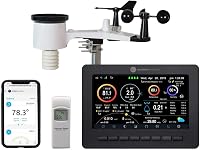
The Ambient Weather WS-2902 includes an Osprey sensor array with a rain cup and an LCD color display. It measures rainfall along with wind, temperature, humidity, UV intensity, and solar radiation.
Its Wi-Fi features support remote monitoring and alerts through Ambient Weather Network. Choose it if you want a conventional rain cup and a color console.
Skip it if you specifically want a rain sensor without a moving cup. Compare it with other outdoor weather stations for wind and rain.
Which haptic rain gauge suits an expandable sensor setup?
The Ecowitt Wittboy GW2001 pairs a haptic rain sensor with a Wi-Fi hub and a 7-in-1 outdoor sensor. You can view data in the Ecowitt app or send it to supported weather services.
Choose it if you prefer a haptic sensor and may want to pair the hub with other Ecowitt sensors. Skip it if you specifically want a tipping cup or a station with an included console display.
Ecowitt says wind speed and rain-drop size can affect the WS90’s readings; for more precise rainfall data, it recommends pairing the station with a WH40 rain gauge.
Is the WS-4000 right for a compact, low-maintenance setup?
The Ambient Weather WS-4000 combines a haptic rain gauge with ultrasonic wind measurement, both described as having no moving parts. It includes a color console, an indoor sensor for temperature, humidity, and barometric pressure, and remote monitoring through Ambient Weather Network.
Choose it if you want a haptic rain sensor, console, and remote monitoring in one station. Skip it if a tipping bucket is a requirement.
For help comparing sensor combinations, see what a 7-in-1 weather station adds over a 5-in-1.
Who should choose the AcuRite Iris?
The AcuRite Iris combines a self-emptying rain collector with wind speed and direction measurement. Its indoor display shows rainfall history and supports customizable rainfall alerts.
Choose it if you want a conventional collector, indoor display, rain history, and alerts in a home weather station. Skip it if Wi-Fi remote monitoring is a must-have feature.
Compare the AcuRite Iris with the Atlas if you are deciding between those station families.
How do you set up a rain gauge for useful readings?
Set the gauge level, steady, and in an open location, following the station’s mounting instructions. A clear path to the sky helps rain reach the collector without being blocked or redirected.
Keep it away from roof edges and gutters, where runoff can drip or splash into the opening. Avoid placing it under branches that shed leaves, seeds, or other debris.
A secure mount helps the gauge stay level over time. If you are choosing a pole or roof location, read where to mount a weather station: roof or tripod.
After setup, confirm that the station receives readings and that the gauge remains level. If the station offers an alert or history view, check it as part of your routine so a missing or unusual reading doesn’t go unnoticed.
How should you care for a tipping bucket rain gauge?
Check the collector regularly and clear debris when needed, especially after storms. Leaves, dust, seeds, and insects can block the opening or interfere with the bucket’s movement.
Follow the station manual for cleaning steps. Don’t force the mechanism or probe a sensor with a tool, since the design and delicate parts vary by model.
If readings seem off, check the mount, opening, and sensor before changing calibration settings. Then consider whether wind exposure or the sensor’s design could explain the difference.
The guide to calibrating a weather station at home explains how to approach an adjustment.
What common mistakes can distort rain readings?
The most common avoidable mistakes are an uneven mount, poor placement, and a blocked collector. Each can change how much rain reaches or moves through the gauge.
A gauge placed near a wall, fence, tree, or roof edge may miss rain or catch runoff that did not fall directly into it. Choose an exposed position with room around the opening.
Don’t assume every station measures rain the same way. A tipping bucket counts cup movements; a haptic sensor detects impacts.
Differences in design can affect how totals compare, especially in changing wind or heavy rain.
Very heavy rain can challenge a tipping bucket because water may enter faster than the mechanism can register tips. When comparing totals, account for the sensor type and the conditions before adjusting calibration.
Which rain gauge should you choose?
Pick a tipping bucket rain gauge if you want a traditional collector and can keep it level and clear. The AcuRite Iris and Ambient Weather WS-2902 offer rain-cup designs with an indoor display; choose between them based on the broader station features you need.
Choose the Ecowitt Wittboy GW2001 if you prefer a haptic sensor and value an expandable Ecowitt setup. Pick the Ambient Weather WS-4000 if a haptic rain gauge, color console, and remote monitoring fit your needs; skip either haptic option if you specifically want a tipping cup.
Whichever design you choose, give the sensor an open, level location and check it for debris. For more station options, use our outdoor weather station guide for wind and rain.
Frequently asked questions
How does a tipping bucket rain gauge work?
Rain enters a collector and fills one side of a small, balanced bucket. When the water reaches a set amount, that side tips and empties while the other side moves into place.
A sensor counts each tip, and the weather station converts the count into rainfall.
Are tipping bucket rain gauges accurate?
A tipping bucket gauge can give useful rainfall totals when it is level, clean, and placed where rain reaches it freely. Wind, debris, splash, and very heavy rain can affect readings.
Check the manual for setup and care, and compare totals with a nearby trusted gauge if readings seem unusual.
Do all weather stations use tipping bucket rain gauges?
No. Some stations use a tipping bucket, while others use a different rain sensor.
Ecowitt's Wittboy GW2001 uses a haptic rainfall sensor, and Ambient Weather's WS-4000 uses a haptic rain gauge, so their rain measurement does not rely on a tipping cup.
How often should I clean a rain gauge?
Check the gauge regularly and clear leaves, dust, and other debris when you see buildup or after storms. Follow the station manual for cleaning steps, since the collector and sensor design can differ.
A clear, level gauge is easier to trust than one with a blocked opening.